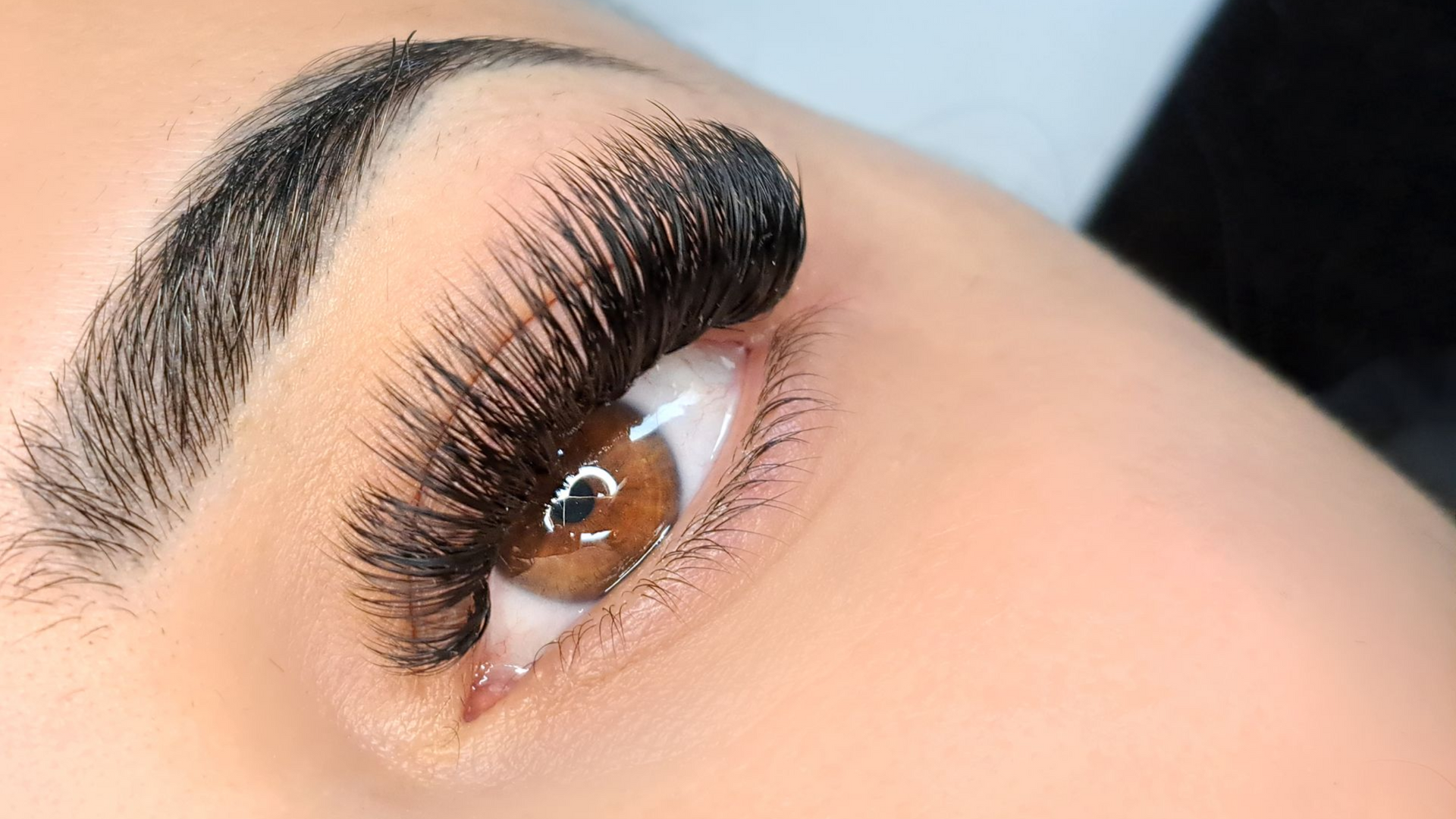
The Truth About Brow Lamination and Natural Hair Follicle Health
The popularity of chemically relaxing eyebrow hairs has led to ongoing debates regarding long-term hair health. Clients visiting The Lash Pro Studio frequently express concern about potential damage to their natural follicles before booking an appointment. Chemical brow treatments require precision and an exact understanding of hair anatomy to yield safe results.
Many assumptions about follicle damage stem from experiences with over-processed hair or DIY kits. A professionally executed brow lamination relies on controlled solutions that respect the structural bonds of your natural hair. Examining the clinical reality of this process clarifies what actually happens to your eyebrows during and after treatment.
What you will find below:
● The anatomy of an eyebrow hair: Understanding structural bonds.
● The chemical relaxing process: How lamination works.
● Follicle safety: Addressing common damage concerns.
● Best practices for post-treatment hair health.
Understanding Hair Structure
To grasp how lamination affects your eyebrows, you have to look at the physical makeup of a single hair. Eyebrow hairs contain disulfide bonds. These bonds dictate the natural shape, curl, and direction of your hair growth. Some people have very rigid bonds that cause their brow hairs to grow straight down or in irregular patterns.
Altering these patterns requires a chemical intervention that safely breaks down the existing bonds and allows the hair to be reshaped. This is the core science behind any relaxing treatment.
The Chemistry of Brow Lamination
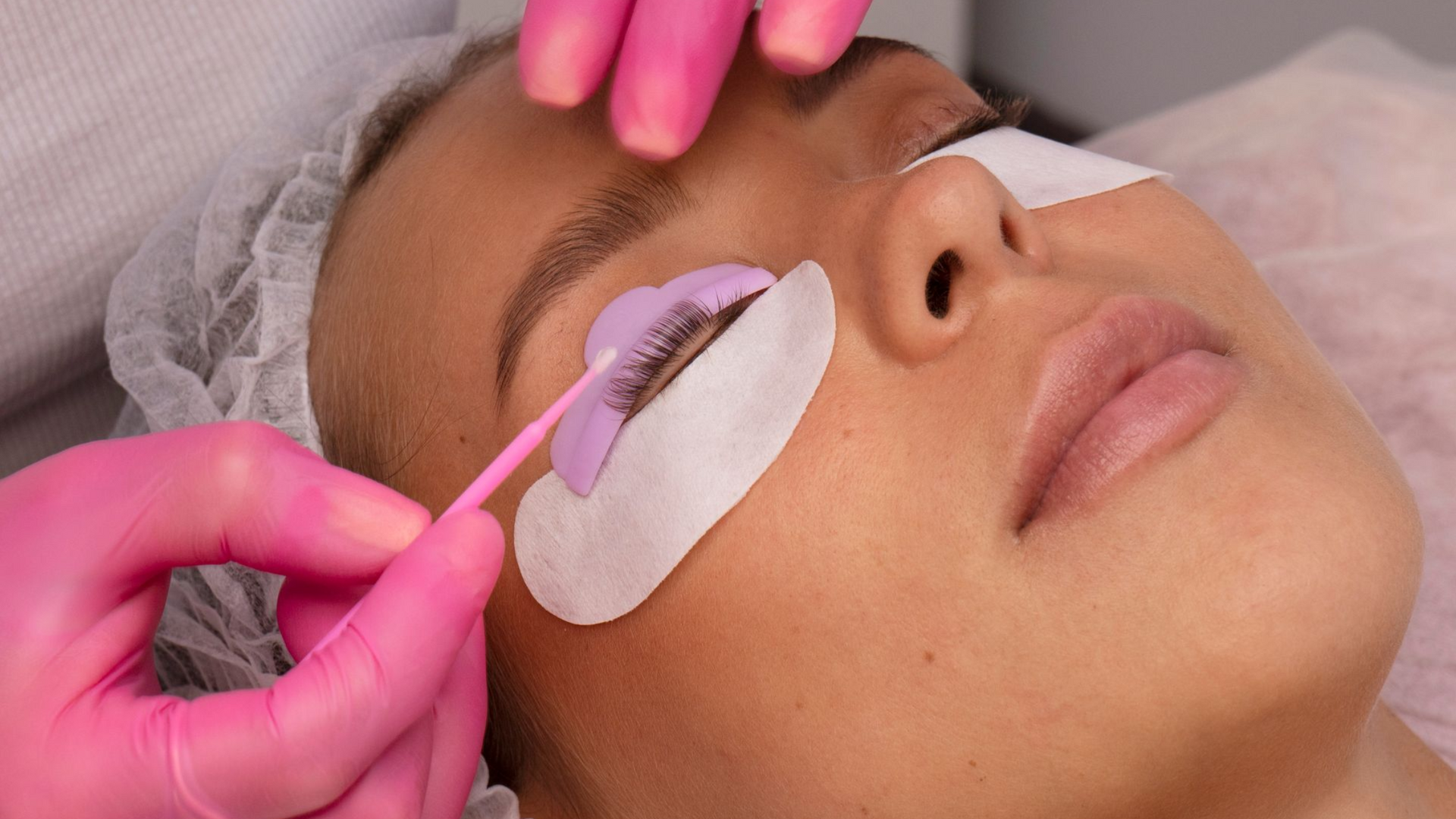
During a brow lamination service, your technician applies a specialized lifting lotion. This solution gently breaks the disulfide bonds inside the hair shaft. Once the bonds are relaxed, the hairs become pliable and can be brushed upward into a uniform, fuller shape.
After the hairs are set in their new position, a neutralizing solution is applied. The neutralizer rebuilds the disulfide bonds, locking the hairs into their new, lifted structure. This process takes place entirely on the hair shaft above the skin.
This specific detail answers the persistent question of does brow lamination ruin your natural eyebrows. The chemical solutions target the visible hair shaft and do not penetrate deep enough to reach the hair follicle beneath the skin. The root of your hair remains untouched, meaning your future hair growth continues completely normally. Damage only occurs if an inexperienced technician leaves the solutions on for too long, causing the hair shaft to become dehydrated and brittle.
Clinical Execution and Safety
The safety of this service relies entirely on timing and product knowledge. A certified artist evaluates your natural hair texture before applying any chemicals. Fine, sparse hairs require significantly less processing time than thick, coarse hairs.
When performed correctly at a reputable location like our Toronto studio, the process is safe and yields a beautifully textured result. Many clients also pair this service with eyebrow tinting to add depth and definition to their newly shaped brows. The tinting process is also localized to the hair shaft and poses no threat to the follicle.
Supporting Hair Health
While the follicle remains safe, the processed hair shaft requires specific care. Chemically treated hair tends to lean toward dryness. You must reintroduce moisture to the hair to maintain a soft, natural appearance.
Applying a recommended hydrating serum daily prevents the brow hairs from feeling crispy or snapping under pressure. Avoiding harsh exfoliating acids around the brow area also protects the integrity of the hair shaft.
Planning Your Brow Services
Understanding the clinical science behind hair bonds removes the uncertainty surrounding this popular service. Consistent hydration and professional application are the only requirements for maintaining healthy, beautiful brows. Schedule a consultation with our team to discuss how this treatment can work for your specific hair type.
Share This Blog