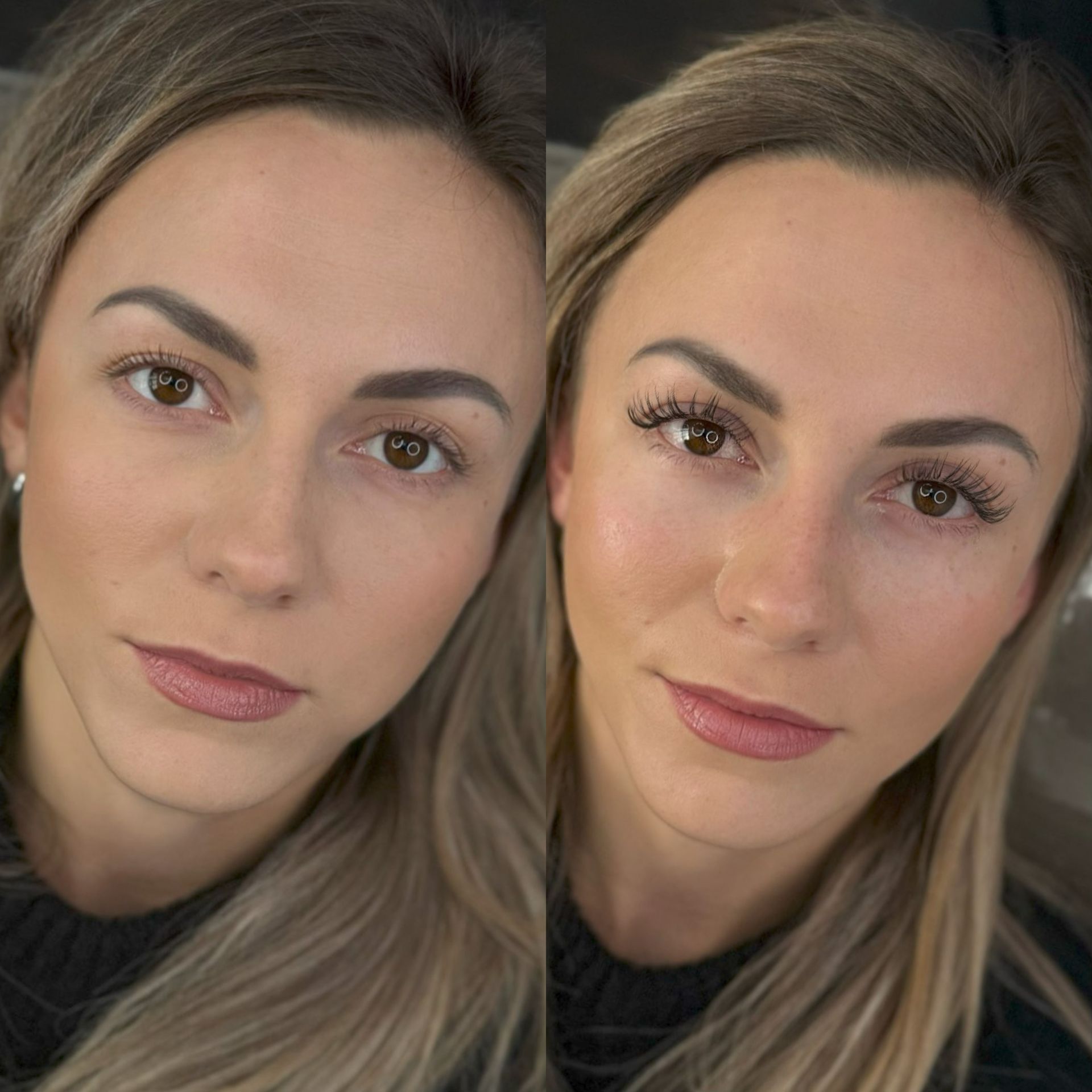
Fading Eyebrow Tints on Oily Skin: Root Causes and Solutions
Achieving perfectly defined arches can simplify your morning routine immensely, but retention issues can quickly become a source of frustration. At The Lash Pro Studio, we frequently consult with clients who notice their semi-permanent eyebrow dye losing its depth long before the expected four-week mark. While environmental exposure plays a part, the primary cause of rapid fading is often rooted in your individual skin chemistry. Understanding how your body interacts with cosmetic pigments is essential for setting realistic expectations.
Oily skin presents a unique clinical challenge for any topical pigment application. The natural lipids produced by your sebaceous glands create a constant biological barrier that actively breaks down dyes over time. We are going to explore the scientific reasons behind pigment fading and discuss the exact techniques our technicians use to counteract it. Let us look at how you can optimize your skin condition to ensure your tinted brows remain bold and beautiful in the Toronto humidity.
Diagnosing Tint Retention
- The Biological Role of Sebum
- Why does my eyebrow tint fade so fast on oily skin?
- Clinical Prep and Application Adjustments
- The Danger of DIY Tinting Solutions
- Partnering With Your Esthetician
The Biological Role of Sebum
Your sebaceous glands continuously produce sebum to lubricate and protect your skin and hair follicles. For clients with overactive glands, this lipid production creates a slick surface along the brow bone. When a semi-permanent dye is applied, it must penetrate the outer cuticle of the hair and gently stain the topmost layer of the skin to create a full, structured look.
Excess sebum acts as a highly effective solvent. It continuously pushes outward from the follicle, essentially washing the dye molecules away from the hair shaft and preventing the skin stain from setting deeply. This constant flow of oil makes it incredibly difficult for the pigment to anchor itself securely.
→ From a professional standpoint: Managing your skin's oil production through a balanced skincare routine directly improves the longevity of your professional brow services.
Why does my eyebrow tint fade so fast on oily skin?
Oily skin accelerates the fading process because the lipids in sebum actively break down the chemical bonds of the dye. Furthermore, individuals with oily skin naturally experience a faster rate of cellular turnover. As your body sheds dead skin cells more rapidly to prevent clogged pores, the pigment resting on those upper dermal layers is shed right along with them. This is why the sharp, defined edges of your fresh tint often blur or disappear within the first week if your skin is heavily oil-prone.
Clinical Prep and Application Adjustments
Recognizing this chemical barrier allows us to adapt our application protocols in the studio. Standard cleansing is never enough for lipid-heavy skin types. We must employ a clinical-grade astringent prep to strip the brow area completely of surface oils and microscopic makeup residue before the dye ever touches your skin.
By altering the processing time and selecting specific dye formulations designed for high-lipid environments, we can force the pigment deeper into the hair cuticle. We also focus heavily on the hair tint itself rather than relying on the skin stain, as the hair will hold the color significantly longer than the rapidly exfoliating skin beneath it.
→ A quick tip to remember: Arriving at your appointment with freshly washed, makeup-free skin allows our technicians to spend more time on precise color application rather than basic cleansing.
The Danger of DIY Tinting Solutions
When a professional tint fades early, the temptation to fix it at home with retail boxed dyes is incredibly high. These over-the-counter products use harsh developers that blast the hair cuticle open to force pigment inside. On oily skin, this often results in patchy, uneven color that grabs onto dry patches while sliding off oil-slicked areas entirely.
Furthermore, applying chemical dyes at home without proper isolation techniques risks serious eye injury and contact dermatitis. If you attempt to re-tint your brows too frequently to combat fading, you will severely over-process the hair. This leads to brittle, broken brows that will not hold a professional brow lamination or shaping service safely in the future.
→ A quick tip to remember: Chemical processing should always be spaced out by a professional to protect the structural integrity of your natural facial hair.
Partnering With Your Esthetician
Dealing with rapid pigment loss requires a customized approach rather than a repeated cycle of generic applications. By communicating your skin concerns, we can adjust our clinical techniques to give you the best possible retention. We are committed to using premium products that respect your skin health while delivering stunning results. Schedule your next eyebrow tinting and shape with our team so we can design a protocol tailored specifically for your skin type.
Share This Blog