Lash Tinting Reality Check: Results on Blonde vs. Dark Lashes
Setting clear expectations is the cornerstone of any professional aesthetic treatment. At The Lash Pro Studio, we offer an excellent eyelash tinting service that provides incredible convenience for clients wanting a low-maintenance morning routine. However, the exact visual outcome depends entirely on the starting color of your natural hair.
Many clients book this service with specific assumptions about how the dye will interact with their lashes. Because we use gentle, vegetable-based semi-permanent dyes, the chemical process works differently than traditional hair coloring. We are going to clarify exactly how the pigment functions on different hair types. Let us break down the physical realities of the tinting process so you can make an informed decision about your next appointment.
Inside This Guide:
- The Physics of Hair Pigmentation
- Contrast Levels for Blonde vs. Brunette Clients
- The Myth of Lightening Natural Lashes
- Frequently Asked Questions
- Choosing the Right Enhancement
The Physics of Hair Pigmentation
Unlike box dyes used on the scalp, our professional tinting products do not contain harsh bleaching agents or high-volume developers. The dye coats the outer layer of the hair shaft and gently stains the cuticle to deposit color. It does not strip away your existing melanin.
This means the pigment acts as an overlay rather than a replacement color. If you place a blue film over a yellow paper, the result is green. Similarly, when we apply a dark brown or blue-black tint over your natural lashes, the final shade is a combination of the dye and your biological hair color.
→ From a professional standpoint: Understanding that a tint can only darken and enrich your existing hair is vital for setting realistic beauty goals.
Contrast Levels for Blonde vs. Brunette Clients
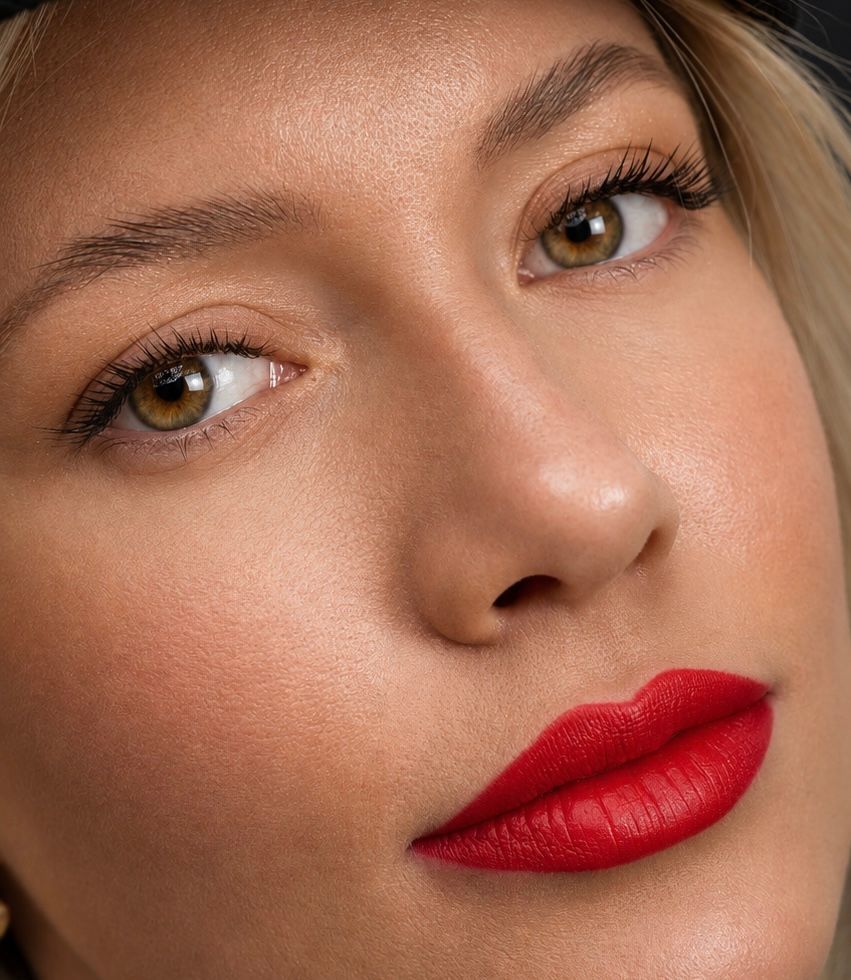
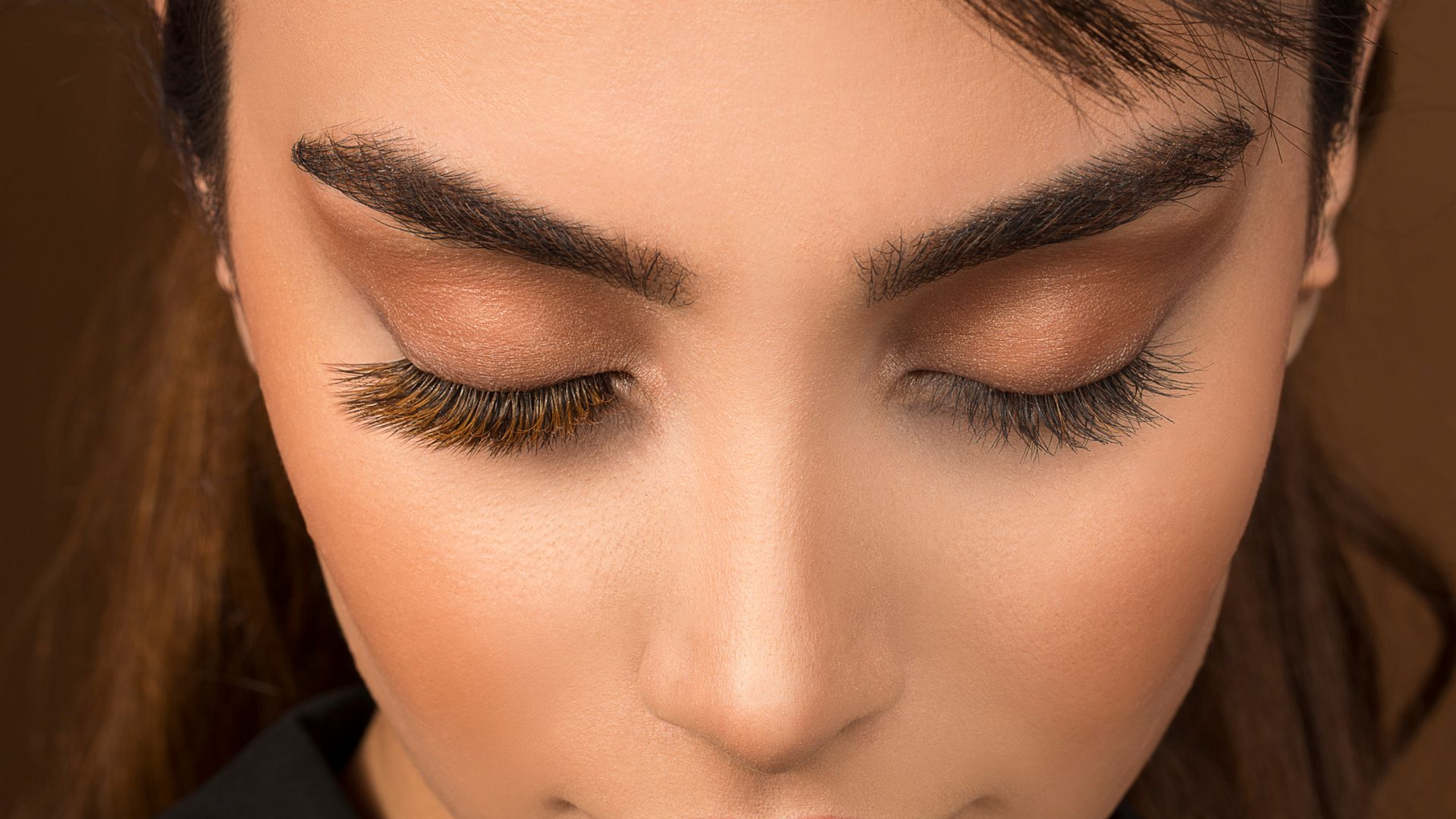
The level of visible change you will experience is directly tied to the contrast between your natural hair and the chosen dye. Clients with very blonde, red, or light brown lashes experience a stark, highly visible shift. The tint darkens the invisible tips of their lashes, suddenly revealing length they did not realize they possessed.
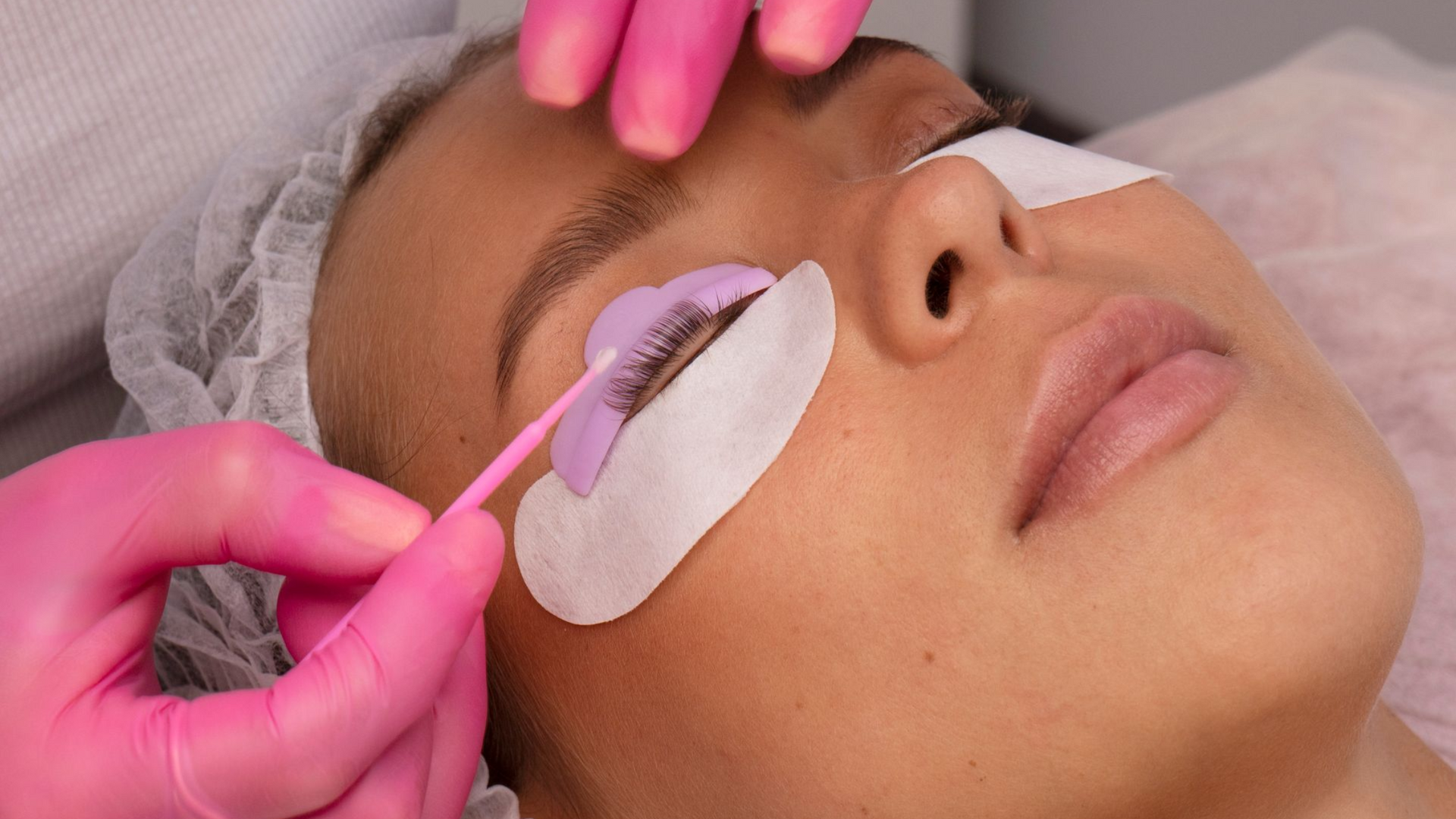
Conversely, clients with naturally dark brown or black lashes will not see a dramatic color change. For these individuals, the eyelash tinting service provides a subtle richness and a slight glossy finish, much like applying a clear coat of polish. If a brunette client desires a striking visual change, we often recommend pairing the tint with a professional lash lift to alter the physical structure and curl of the hair instead.
→ A quick tip to remember: Combining a tint with a structural lifting service provides the most dramatic enhancement for clients with naturally dark hair.
The Myth of Lightening Natural Lashes
A common misunderstanding in the aesthetic industry is the belief that a tint can lighten dark lashes to match a lighter hair color. Because our safe, eye-approved dyes contain zero lifting agents, it is chemically impossible to make a dark lash lighter.
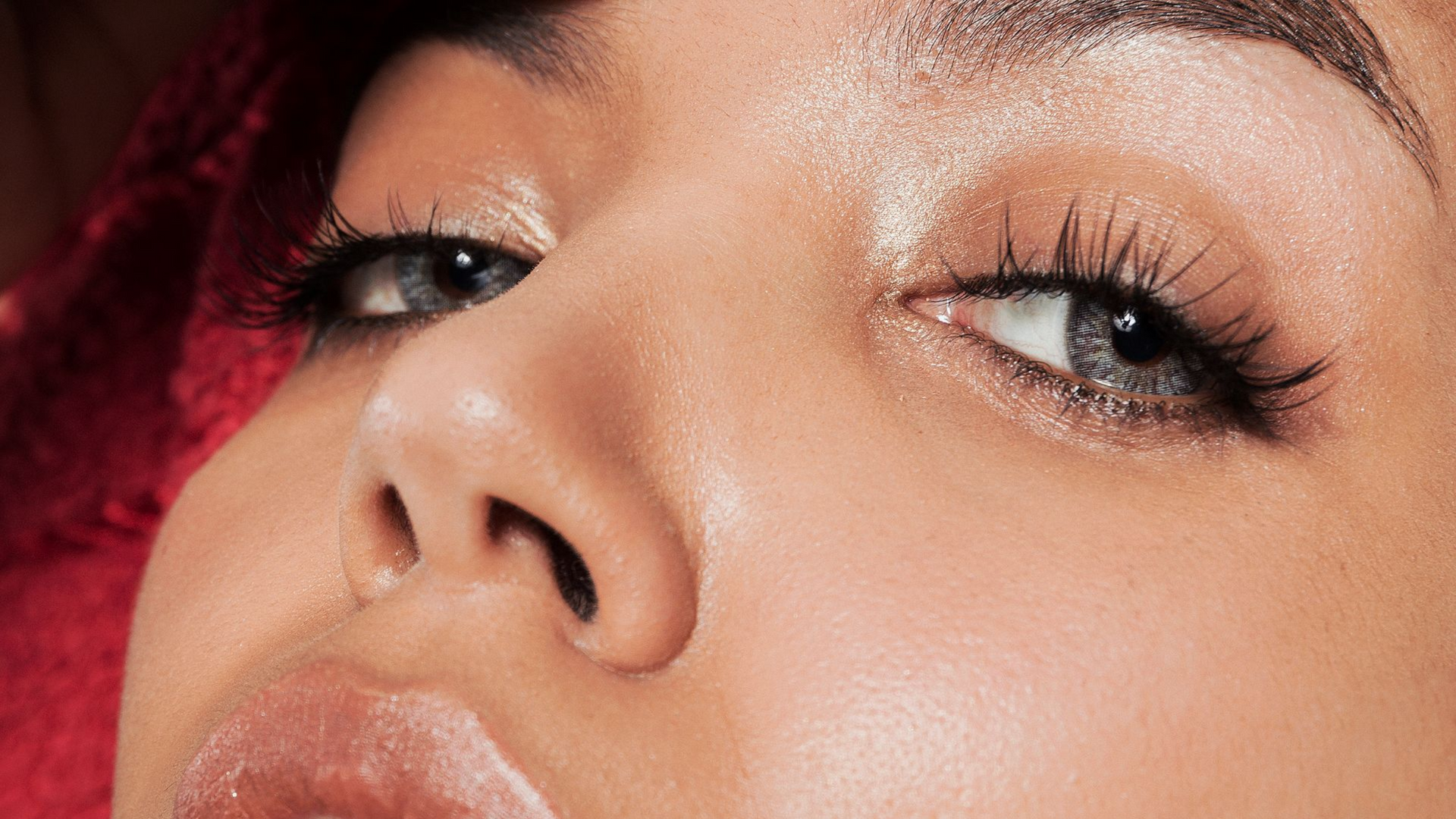
Attempting to bleach eyelashes is an incredibly dangerous practice that we never perform in our Toronto studio. Applying peroxide-based lighteners near the ocular cavity risks severe chemical burns and permanent blindness. If you have dark hair and wish to experiment with lighter colors, the only safe method is applying colored synthetic extensions rather than processing your natural hair.
Frequently Asked Questions
Will an eyelash tint show up on naturally dark lashes?
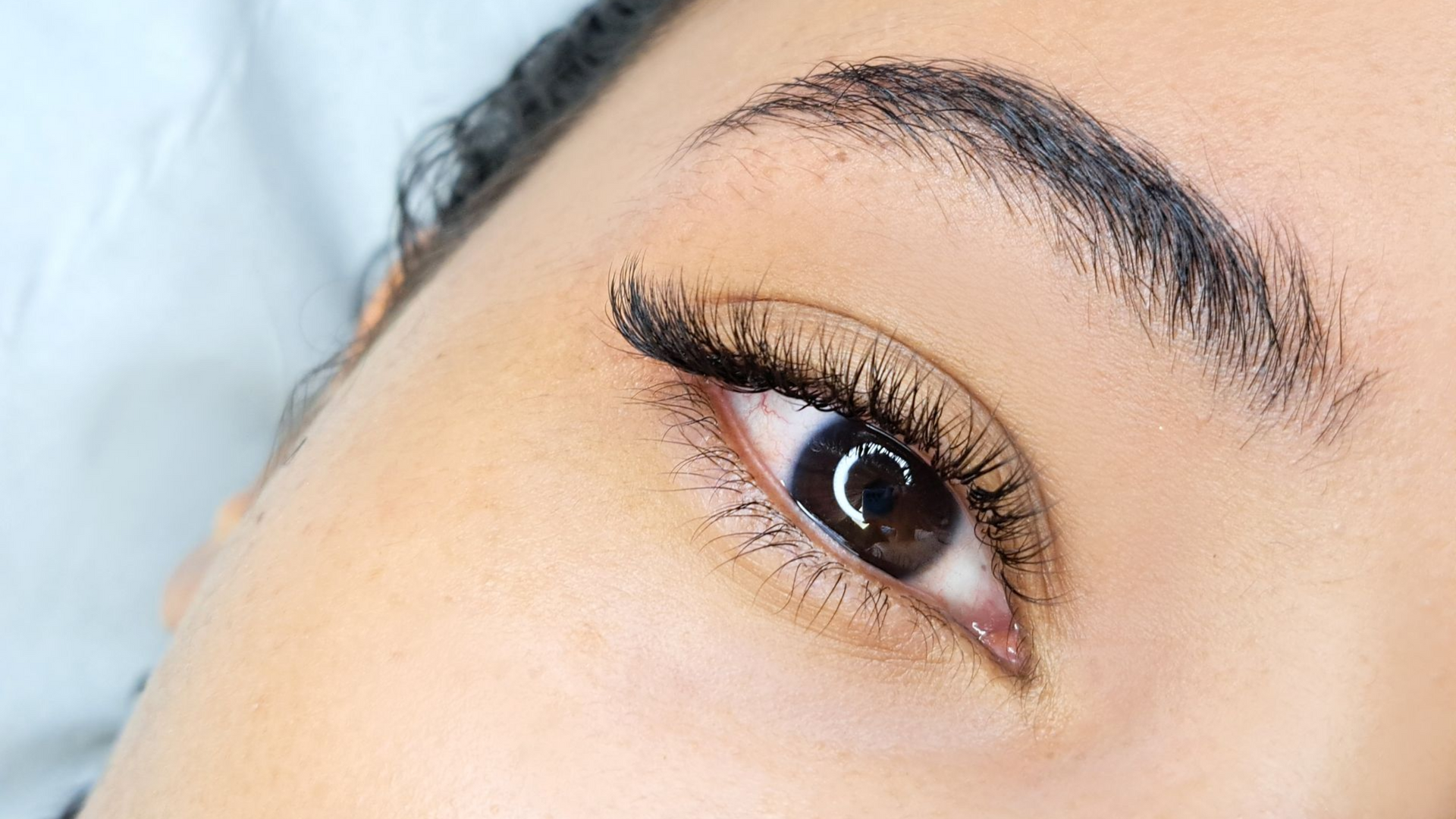
It will not change the fundamental color of naturally black lashes, but it does add a deep, rich gloss. The most noticeable benefit for clients with dark hair is that the tint darkens the very tips of the lashes, which are naturally tapered and often slightly lighter due to sun exposure. This creates a slightly fuller appearance even if the core color remains the same.
Does eyelash dye lighten natural lashes?
No, professional eyelash dye is formulated solely to deposit pigment onto the hair cuticle. It does not contain the developers or bleach required to strip melanin from the hair shaft. Because the eye area is highly sensitive, safe clinical products are strictly darkening agents, meaning we can only match or deepen your current shade.
How often do blondes need eyelash tinting touch-ups?
Clients with naturally light lashes typically require touch-ups every four weeks. As your natural growth cycle progresses, new blonde lashes will emerge and replace the tinted hairs that naturally shed. Maintaining a consistently dark lash line requires regular visits to deposit pigment on the new anagen phase growth.
Choosing the Right Enhancement
Understanding the chemistry of natural hair pigmentation allows you to choose the service that best meets your needs. Whether you require a subtle gloss or a stark color contrast, our clinical team is here to guide your choices. We prioritize eye safety and realistic outcomes above all else. Reach out to our studio to discuss whether a tint or a lifting service is the right choice for your natural lashes.
Share This Blog